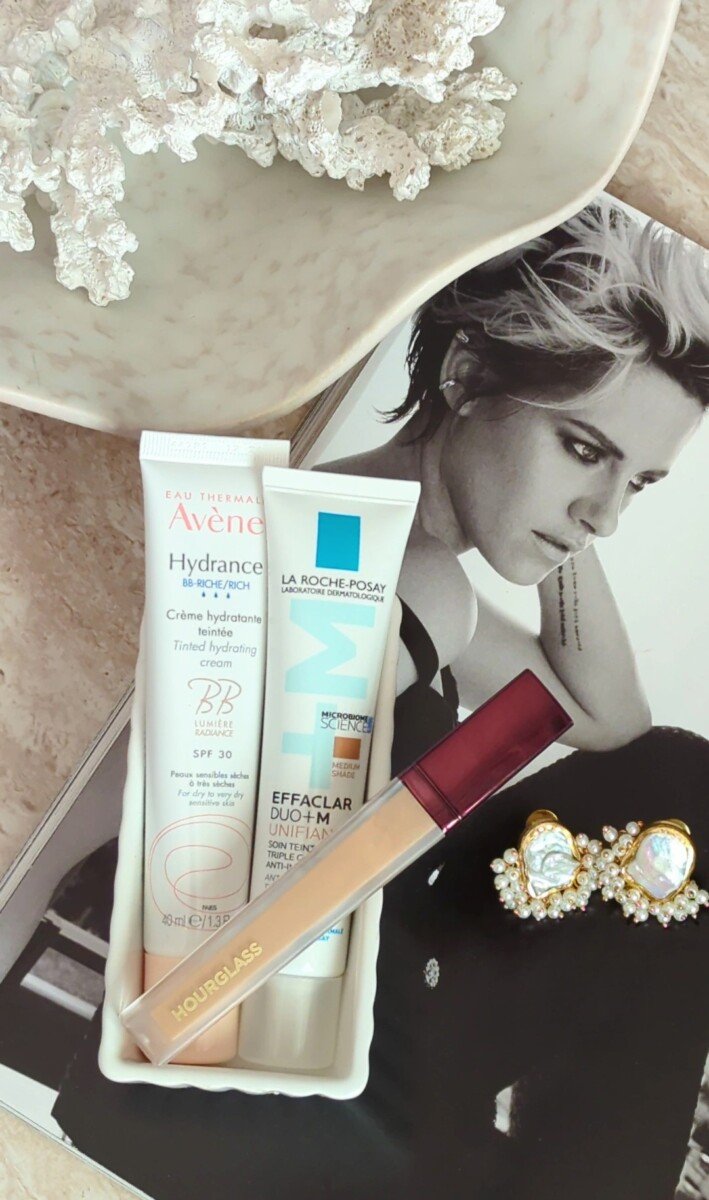
We’ve all been there: after spending forty minutes perfecting a flawless “no-makeup” look, you wake up the following morning to find a group of unwelcome guests perched on your chin. Applying makeup to conceal pimples only to have it exacerbate them is the ultimate beauty paradox. Many conventional foundations, primers, and concealers contain heavy oils and pore-blocking ingredients that can lead to congestion and irritation—especially if you have acne-prone or sensitive skin. One word is the key to breaking this cycle: non-comedogenic makeup.
Non-comedogenic makeup is designed to provide the desired coverage and finish while reducing the possibility of clogged pores. These skin-friendly formulations, which range from lightweight foundations to breathable primers and powders, let your complexion look perfect without endangering the health of your skin.
We’ll go over how to select non-comedogenic makeup that won’t clog your pores, what ingredients to stay away from, and the key features to consider while looking for pore-friendly makeup in this guide. These suggestions will assist you in creating a skin-conscious makeup collection, regardless of whether you’re battling with sporadic breakouts or just want a more breathable makeup routine.
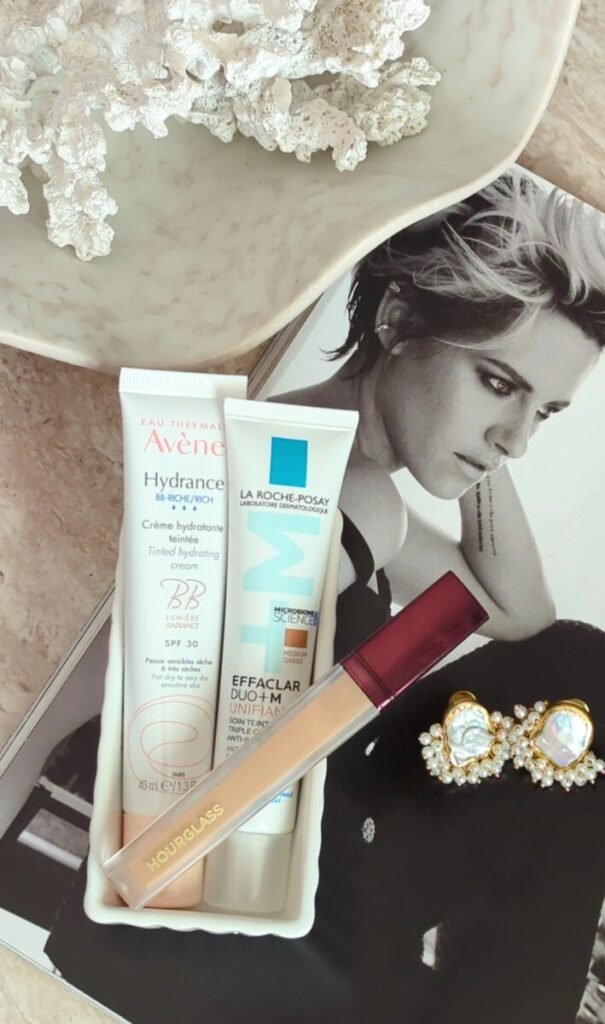
1. Look for the “non-comedogenic” Label
Checking if a product is labelled as non-comedogenic—that is, made without ingredients known to clog pores—is the simplest place to start.
But bear in mind that there is no strict regulation on this term, so brands are free to use it without adhering to a common standard. Unlike “SPF,” there’s no universal standard a brand must meet to slap that label on a bottle. That’s why you have to be your own ingredient detective.
Advice: Always check the ingredient list in addition to using the label as a useful guide.
2. Check the Ingredient List Carefully
Some ingredients are widely known to increase the risk of clogged pores. Dermatology research often flags ingredients such as:
- Coconut oil
- Cocoa butter
- Lanolin
- Isopropyl myristate & Palmitate
- Wheat germ oil
- D&C Red Dyes
These ingredients can contribute to comedones (blocked pores), especially for acne-prone skin. If they appear high on the ingredient list, the product may be more likely to cause congestion.
3. Choose Lightweight, Breathable Formulas
Ingredients are important, but so is texture. Generally speaking, the thicker the product, the more likely it is to sit heavy in your pores.
Look for makeup described as the following:
Oil-free
Gel or serum-based
Lightweight or breathable
Mineral-based formulas
For foundations, water-based or mineral formulas allow the skin to “breathe” and reduce oil buildup. For blush and bronzers, creams often rely on heavy waxes to stay solid so it would be best to stay with powders or thin liquids. For primers, look for silica-based rather than silicone, as silica can blur pores without physically “plugging” them.
4. Look for Skin-Friendly Ingredients
Mineral makeup is often your best bet if your skin is extremely reactive or sensitive. Zinc oxide and titanium dioxide containing formulations have mild anti-inflammatory properties and are inherently non-comedogenic. Just be sure the brand doesn’t include “Bismuth Oxychloride,” which some people may find irritating and itchy.
Some ingredients can actually support clearer skin while you wear makeup. Examples include:
- Salicylic acid – helps unclog pores
- Niacinamide – supports skin barrier and reduces oil
- Glycerin – hydrates without clogging pores
- Aloe vera – soothing and lightweight
These ingredients are commonly found in non-comedogenic skincare and makeup formulas.
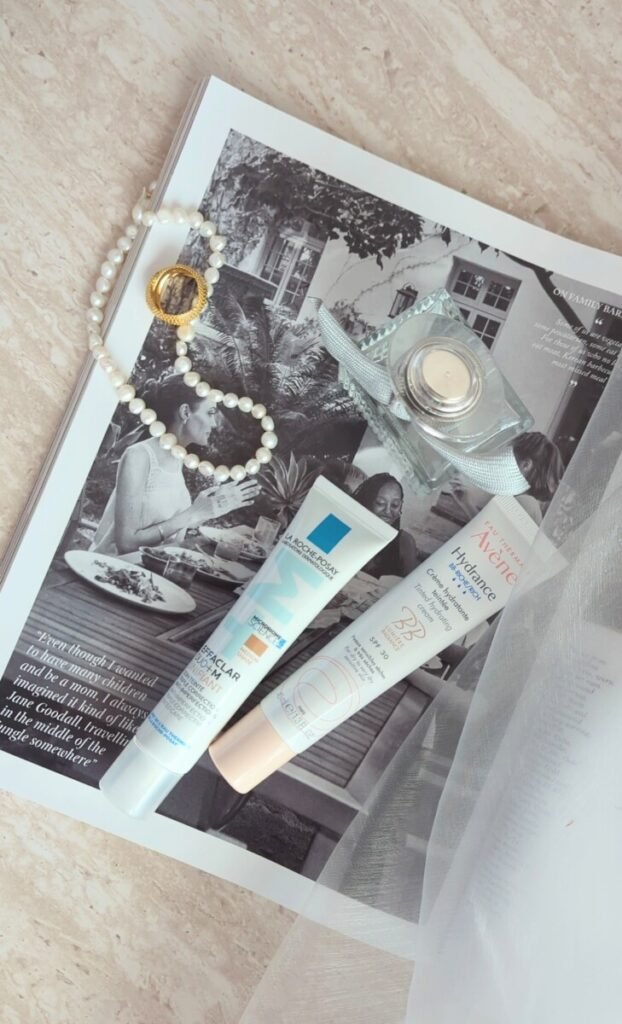
5. Pay Attention to the Comedogenic Rating
Several skincare specialists use a comedogenic scale ranging from 0 to 5.
0–1: extremely low chance of pore clogging
2–3: moderate risk
4–5: a high risk of pore clogging
Higher-scoring ingredients, like isopropyl myristate or coconut oil, are more likely to clog skin prone to acne.
6. Patch Test Before Using a New Product
Every skin type responds differently to a product, even if it is labelled as non-comedogenic.
A full-face breakout can be avoided with a simple patch test:
- Put a tiny bit behind your ears or around your jawline.
- Give it 24 to 48 hours.
- Look for inflammation, redness, or lumps.
Dermatology experts recommend patch testing because skin responses vary widely.
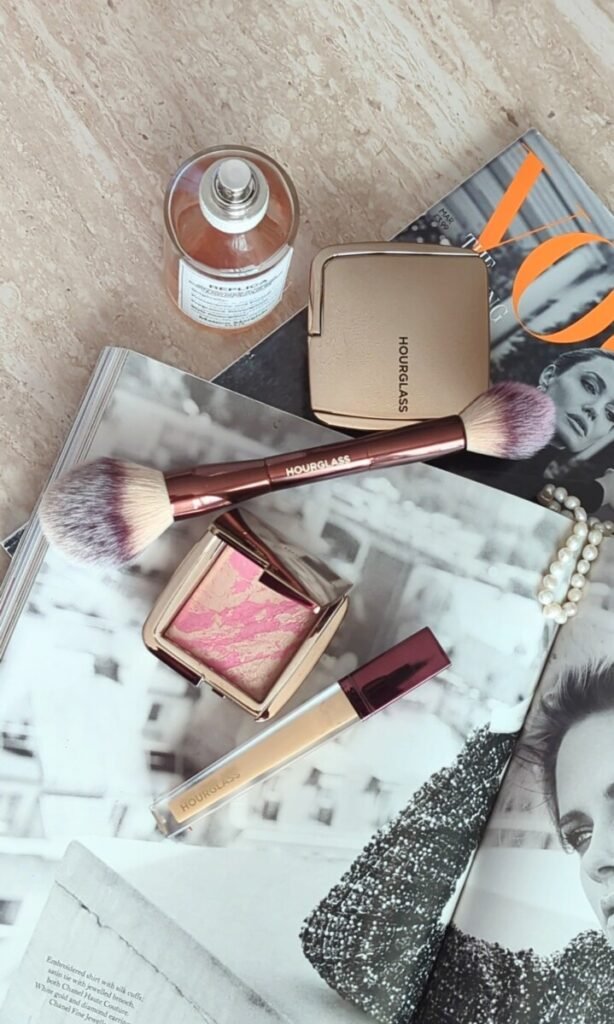
7. Don’t Forget Your Tools
You can buy the most expensive, non-comedogenic foundation in the world, but if you apply it with a brush that hasn’t been washed since the last solar eclipse, you’re going to break out.
Pro-Tip: Bacteria loves makeup buildup. Wash your sponges and brushes at least once a week to ensure your “clean” makeup stays clean on your skin.
Final Thoughts
Choosing the right makeup can make a significant difference to your skin’s overall health and appearance. By selecting non-comedogenic formulas, checking ingredient lists carefully, and opting for lightweight, breathable textures, you can enjoy beautiful makeup without increasing the risk of clogged pores or breakouts.
Keep in mind that every skin type is unique, so selecting the appropriate formula is just as crucial as taking the time to patch test items and see how your skin reacts. When combined with a consistent skincare routine and proper makeup removal, non-comedogenic makeup can help you maintain a clearer, healthier-looking complexion.
Ultimately, the goal is straightforward: makeup that enhances your skin rather than working against it. By making informed choices, you can achieve a flawless finish while keeping your pores happy and your skin balanced.
Until next time, Ashh xo
*This is a sponsored post. Any opinions shared are my own and unbiased.


Leave a Reply